Calgary BMO Centre Loading Docks | How To Deliver Successfully
Calgary BMO Centre’s Loading Docks
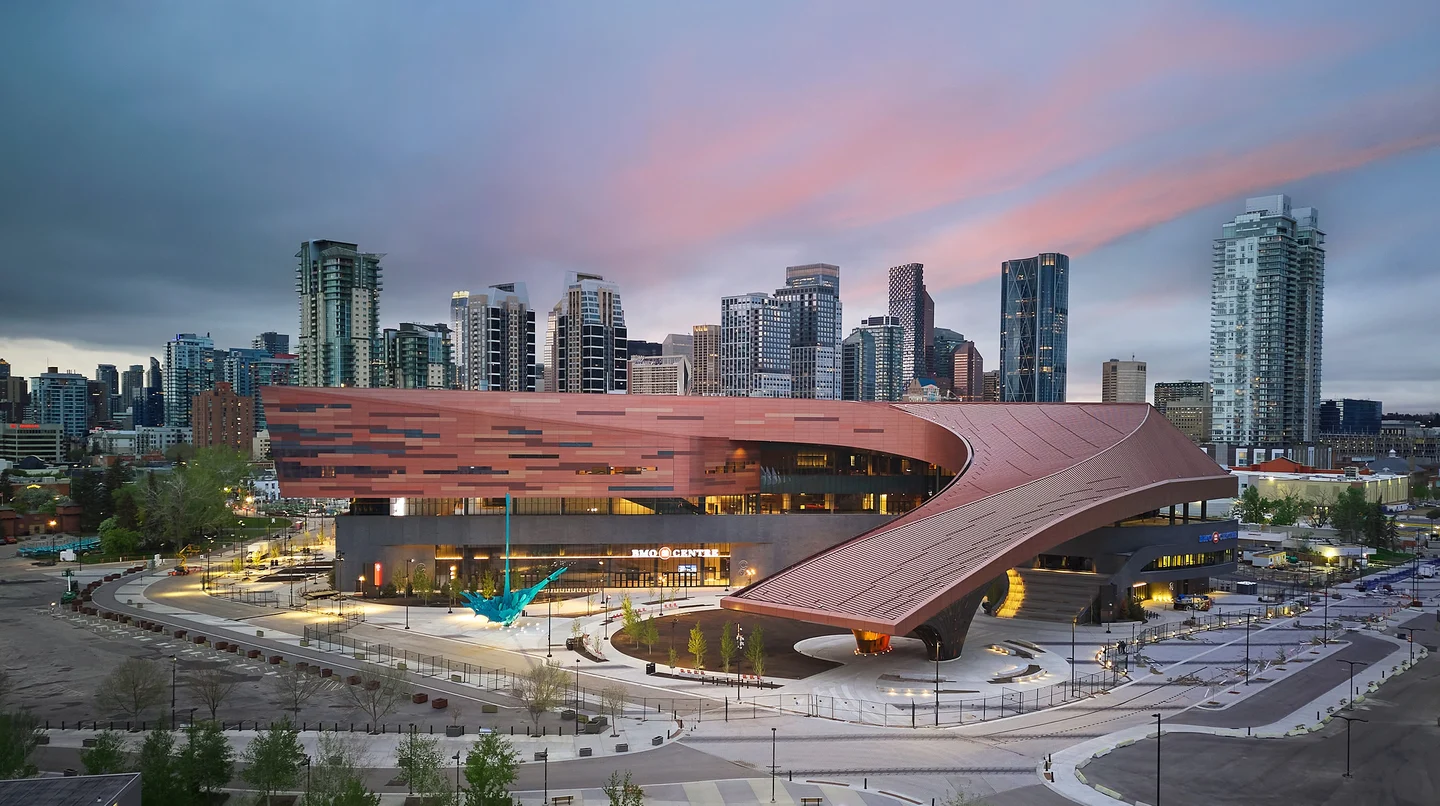
When planning a successful trade show or large-scale exhibition, visitors often only see the polished booths, interactive displays, and buzzing crowds. What they rarely witness is the meticulous choreography required behind the scenes — particularly at the loading area where exhibitors bring in massive crates, display materials, heavy equipment, and freight. Nowhere is this more evident than at Calgary’s BMO Centre at Stampede Park, Western Canada’s largest convention venue and a primary hub for major trade shows, expos, and corporate events. Our team are local experts for trade show booths rentals and custom trade show displays.
In this blog, we’ll explore how the BMO Centre manages its loading area, the smart systems used to keep things moving smoothly, how many loading docks and bay doors support trade show logistics, and how local construction in the Stampede Park area is currently impacting access and operations.
The BMO Centre: A Giant on the Trade Show Map
First, it’s worth understanding the scale of what the BMO Centre handles. With over 1 million square feet of total space — including roughly 350,000 square feet of contiguous exhibit halls — it’s the largest convention facility in Western Canada and regularly hosts some of the region’s most significant trade shows and conventions.
From automotive expos to industry-specific shows, and year-end conventions to consumer-facing events, tens of thousands of attendees, vendors, and exhibitors flow through this facility every year. That level of activity demands highly organized freight access and an efficient system for move-in/move-out, particularly when hundreds of exhibitors need to place bulky crates and large displays inside within tight time windows.
Loading Areas, Docks, and Doors: The Physical Backbone
At the heart of the BMO Centre’s logistics capability is its loading dock system. While the official public site doesn’t provide a simple count of total docks, the Event Planning Guide used by event organizers outlines a detailed loading dock configuration covering Dock 1 through Dock 24, with multiple docks grouped together for different exhibit halls.
Here’s what we know about these facilities:
1. Multiple Dock Levels and Doors
The loading area includes a range of docks that serve different functions:
- Ground-level loading docks with exterior doors that allow trucks to pull in directly.
- Dock-level loading areas that require a lift or dock-leveler to bridge the truck bed to the building floor.
- Interior and exterior drive-through doors that facilitate larger freight passage into interior exhibit halls.
Some of these docks, such as Dock 22, feature both exterior and interior doors — meaning vehicles can drive entirely through certain sections of the facility, making load-in and load-out faster and more efficient.
2. A High Number of Bay Doors for Exhibitors
Although the venue doesn’t list a single number of bay doors on its main marketing page, the docks numbered from Dock 1 up through Dock 24, and with some docks grouped (like Docks 2 & 3 or 4, 5 & 6), it’s clear that the facility supports that dozen-plus groupings of dock positions and overhead bay doors — each capable of handling materials of varying size and configuration.
Each of these loading areas serves specific halls or exhibit spaces, and they are strategically arranged along the loading dock apron to optimize access for exhibitors. Without proper scheduling and coordination, that apron can become congested or underutilized — a problem the BMO Centre addresses with its logistics and reservation system.
Voyage Control: A Reservation System for Efficient Move-In/Out
One of the most impactful steps the BMO Centre has taken to manage freight traffic is adopting an online slot-registration system called Voyage Control. Rather than a first-come, first-served queue or unmanaged dock access, this system requires exhibitors and freight transporters to pre-register and book a time slot for their move-in or move-out activity.
This approach delivers several advantages:
1. Reduced Wait Times
By reserving a specific time window, freight vehicles know exactly when they are permitted to enter the dock zone, reducing the need for long lineups and idle waiting at the loading apron. Trucks aren’t left idling in public spaces, and drivers can plan their arrival knowing they won’t be denied access.
2. Better Traffic Flow and Safety
Slot reservations help event organizers avoid situations where too many trucks arrive at once, overwhelming dock staff and marshals. The system ensures a controlled flow of vehicle arrivals so that traffic on Stampede Park’s interior roads remains as smooth and safe as possible.
3. Reduced Environmental Impact
When trucks aren’t idling aimlessly in queues, there’s a direct reduction in emissions and fuel waste. This aligns with broader sustainability goals many modern venues are embracing.
4. Clear Access Rules
Exhibitors who need only to hand-carry smaller items or use dollies within the hall are typically not required to book a dock slot — a smart distinction that keeps truck docks available for those who genuinely need heavy-lift and freight access.
Move-In and Move-Out Realities
The process isn’t merely about parking at a dock and unloading — it’s a tightly choreographed sequence involving several key considerations:
1. Booking in Advance Is Essential
Access to the loading dock apron is contingent on having a confirmed booking via Voyage Control. Exhibitors without a booking risk delayed access, which can push back move-in schedules.
2. No Parking in Loading Zones
The loading apron is strictly a transient freight area — parking or storage on the dock apron is prohibited. Vehicles must unload and depart within their allocated time.
3. Marshalling and On-Site Guidance
Once a truck enters the dock area, marshalling attendants help direct vehicles to their assigned docks and ensure that freight moves smoothly into the designated exhibit hall. This prevents cross-traffic and congestion.
Construction Around Stampede Park: A Real-World Challenge
Even with a sophisticated reservation system and ample loading docks, logistics are only as good as the surrounding infrastructure. And local construction near the BMO Centre and the wider Stampede Park area has been a factor affecting access and ease of movement.
Top 2 Venues for Trade Shows in Orlando
City Projects and Green Line LRT Work
Calgary’s Culture + Entertainment District has been the focus of significant development — including the continued build-out of the Green Line LRT project and other infrastructure work around Stampede Park. Roads and nearby intersections have experienced closures or detours, forcing freight traffic to navigate alternate routes to reach the loading docks.
These closures can impact:
- Access routes for large trucks that require specific turning radii and clearance.
- Timing, as freight drivers must account for detours and slower traffic flow.
- Safety, since construction zones bring additional hazards and unfamiliar signage.
Drivers coming in for a booked slot need to allow extra travel time to ensure they arrive on schedule — even when they have a confirmed appointment via Voyage Control.
Load-In/Out Stress on Local Traffic
It’s not just the docks themselves that feel the strain — local congestion from event traffic combined with construction activities can create bottlenecks. Traffic management teams work to coordinate freight entry while maintaining safe public access for other visitors and commuters in the area.
Best Practices for Exhibitors
Given the complexity of logistics at the BMO Centre, exhibitors and freight companies can take a few steps to ensure their move-ins and move-outs go smoothly:
1. Book Early and Confirm Slot Details
Whether you’re moving in a compact sprinter van or a semi-trailer full of crates, make sure you secure your Voyage Control booking well in advance. Upcoming shows often fill preferred slots quickly.
2. Understand Your Dock Assignment
Some docks are better suited for certain types of freight or events — check the Event Planning Guide or coordinate with show organizers to confirm your specific dock and door access.
3. Monitor Road Conditions
Keep an eye on construction notices and access updates from the City of Calgary and event organizers. Allow extra travel time to account for detours or closures near Stampede Park.
4. Communicate With Your Freight Provider
If you’re using a third-party freight company, ensure they’re familiar with Voyage Control procedures and dock etiquette at the BMO Centre.
Turning Logistics Into Success
The BMO Centre’s loading area isn’t just a back-of-house alley — it’s a precision-orchestrated engine that keeps major trade shows running on time and on budget. Through a combination of extensive loading docks and bay doors, a smart reservation system, and marshalling support, the venue has turned freight access from a logistical challenge into a coordinated advantage for exhibitors.
Of course, the real world always gets in the way — and current construction near Stampede Park has added a new layer of complexity for drivers and exhibitors alike. But by planning ahead, embracing the slot registration system, and staying informed about local conditions, event professionals can still navigate the landscape with confidence.
Whether you’re an exhibitor heading to your first show or a seasoned logistics coordinator, understanding the BMO Centre’s loading operations is key to a smoother, more predictable trade show experience — one where the focus stays on creating memorable exhibits, not wrestling with freight traffic.
Most Popular
PDAC 2026 Trade Show Booth Builders
January 12, 2026
Las Vegas Convention Center LED Video Wall Rental Rules & Regulations
December 31, 2025